

As the EU-co-funded NELSON project approaches its first anniversary, significant progress has been achieved within Work Package 6 (WP6), led by Híades Business Patterns. WP6 focuses on developing and validating new digital tools that will support safer, more efficient and more sustainable maritime operations in Spain and the Canary Islands.
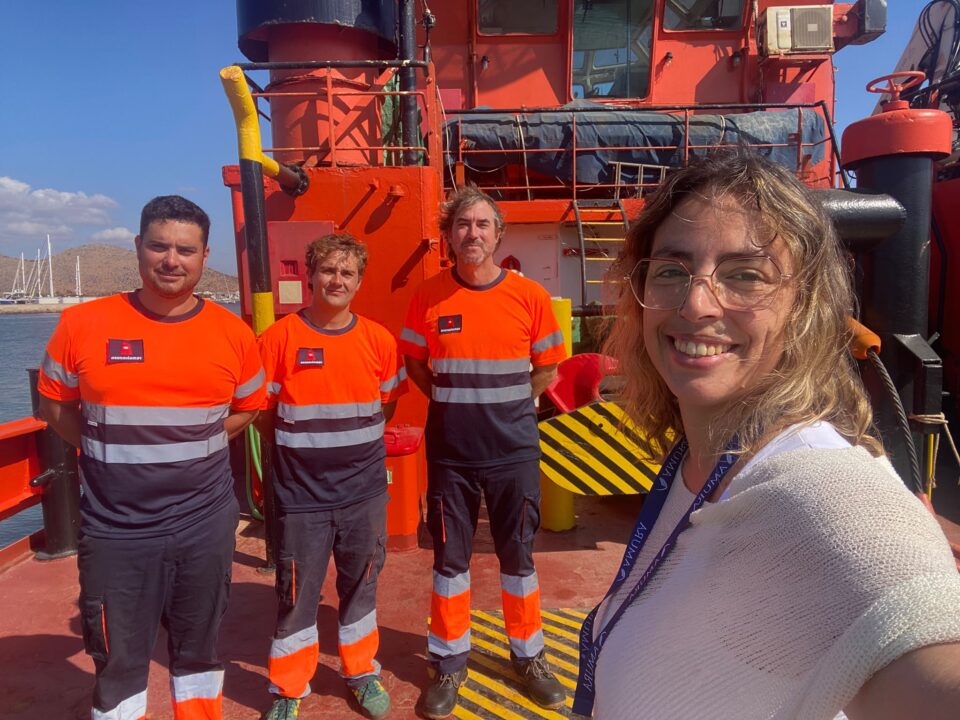
During recent workshops and operational sessions held in Las Palmas and Santa Cruz de Tenerife, stakeholders reviewed interactive mock-ups of several remote pilotage solutions, including the Pilot’s Passage Plan, Fairway Library, and Onboard Ship Information Hub. Feedback collected from pilots, maritime authorities and operational personnel has been incorporated into the ongoing development phase.
“A major milestone for August 2026 is the completion of the first functional prototypes. The Pilot’s Passage Plan now provides a digital environment where pilots and captains can collaboratively design and share voyage plans, while the Fairway Library is progressing with machine-learning capabilities to support route optimisation,” says Laura Libia Osorio Sánchez, the NELSON Project Manager at Híades.
“Development is also advancing on the Onboard Ship Information Hub, enabling vessels to receive information from shore-based systems and exchange operational data with control centres.”
Progress is equally strong, where integration testing of the Maritime Connectivity Platform (MCP) is underway. The Spanish platform is being configured to support services such as navigational notices and pilot information exchange, while interoperability tests are verifying seamless communication with the platform developed in Finland. Use cases are also being configured for anchorage and berth operations in the Port of Las Palmas.
In parallel, the harmonisation of Mandatory Reporting Systems (MRS) continues across Spain. Technical requirements for the cloud-based solution have been defined, and analyses of existing reporting systems are helping ensure consistent data exchange between maritime stakeholders. Work has also started on API development for VTS centres in Tenerife and Gran Canaria.
“Looking ahead, activities related to the Dynamic Risk Management System (DRMS), Decision Support Tools (DST), and operational validation in the Canary Islands are moving forward through stakeholder meetings, rule definition workshops and scenario configuration exercises,” Laura states when reviewing upcoming tasks.
The Project Manager explains that field testing activities are already being coordinated with operational partners for the next phase of the project.
“By combining digital navigation services, maritime connectivity, harmonised reporting and risk management capabilities, NELSON is contributing to the development of a modern, interoperable maritime ecosystem that supports remote pilotage and improved maritime traffic management across Europe,” Laura Libia Osorio Sánchez concludes.
More information about the NELSON and partnership is available on the NELSON project’s website.

Disclaimer: This article is produced as part of the NELSON project, co-funded by the European Union. The views expressed herein are, however, those of the author(s) only and do not necessarily reflect those of the European Union or the CINEA. Neither the European Union nor the granting authority can be held responsible for them.